In today’s world of touchscreens, AI typing assistants, and instant digital notes, handwriting might feel old-fashioned. Many students, designers, teachers, and professionals now rely almost completely on laptops and smartphones to capture ideas. But an interesting shift is happening: people are returning to pen and paper — not out of nostalgia, but because handwriting has been proven to boost creativity in powerful ways.
Have you ever noticed that some moments of inspiration come more easily when you are holding a pen? Or that brainstorming flows more naturally when you sketch ideas on paper instead of typing them into a notes app? That is not a coincidence.
Writing by hand activates the brain, strengthens imagination, and helps ideas flow freely — in a way that digital tools simply cannot replicate.
In this article, we explore how handwriting stimulates creativity, why it is especially valuable for students and creative professionals, and how the right writing tools — such as Deli’s gel pens, highlighters, sketchbooks, and markers — can unlock your full creative potential.
One of the most powerful reasons handwriting boosts creativity lies in how the brain and body work together.
When you write by hand, your fingers, wrist, and arm are constantly moving. These movements stimulate the nervous system and activate more areas of the brain than typing on a keyboard. According to cognitive research, handwriting improves neural connections related to:
Memory retention
Idea association
Pattern recognition
Concept processing
This is why many writers, artists, and thinkers prefer pen and paper during brainstorming sessions. The tactile experience — the feel of a smooth gel pen gliding across the page or the resistance of paper under a pencil — engages the mind in a more focused, intuitive state.
As a result, your brain is encouraged to make unexpected associations, which is the foundation of creativity.
The physical act of writing stimulates the nervous system, encouraging free association — a key catalyst for original ideas.
Using a high-quality gel pen with smooth ink flow can make this process even more enjoyable and effective. A pen that doesn’t skip, leak, or drag allows your mind to focus on ideas, not on technical distractions.
When typing, we often become constrained by structure, formatting, and speed. We unconsciously try to form perfect sentences. The blinking cursor pressures us to keep going in a linear way.
Handwriting, on the other hand, is forgiving, flexible, and organic.
You can:
Scribble messy notes
Draw half-finished words
Jump between ideas
Write in circles or diagonals
Add symbols or spontaneous thoughts
This freedom is particularly important for creative thinking and divergent thinking — the ability to generate multiple ideas without judgment.
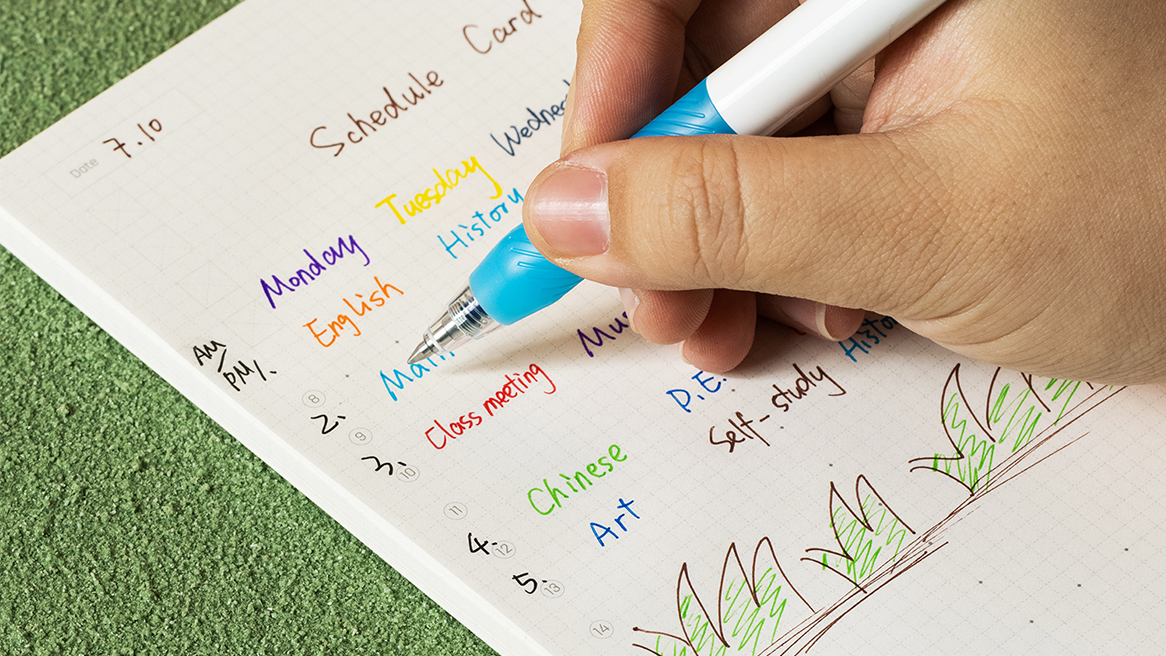
When creativity flows, it rarely arrives in perfect sentences. It comes in fragments, images, connections, arrows, highlights and keywords. Handwriting supports that natural chaos and turns it into structured inspiration.
That’s why many authors, designers and inventors still prefer notebooks for ideation sessions — and why switching from screen to paper can immediately unlock new energy.
Creative ideas don’t always come as words. Sometimes they appear as images, shapes, patterns, or symbols.
Handwriting naturally leads to:
Sketching
Doodling
Mind mapping
Visual storytelling
Wireframe designing
This is especially true for:
Designers
Architects
Marketing creatives
Teachers
Product developers
Students in art & science fields
Sketching and doodling grow naturally from handwriting — something digital tools can’t fully replace.
On paper, you can instantly:
Draw arrows and connections
Circle key ideas
Create boxes and diagrams
Design rough layouts
Combine text and visuals
These visual thinking techniques make ideas “visible” and “tangible”, which helps transform abstract thoughts into real concepts.
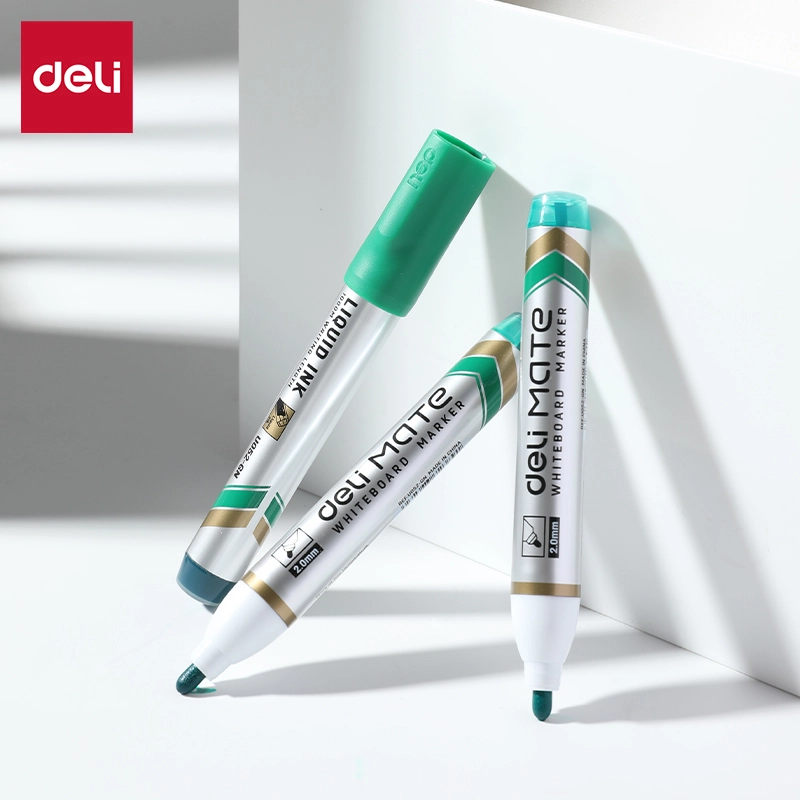
Using colorful tools like Deli art markers, highlighters, and colored gel pens further enhances this process by adding contrast, structure, and emotional impact to your ideas.
Color itself is a powerful creativity trigger — and when you combine color with handwriting, creativity multiplies.
Many studies show that handwriting enhances memory retention more than typing. Why? Because when you write by hand, your brain must process information, summarize it, and translate it into movement.
Typing is often automatic — your fingers press keys without thinking deeply. But handwriting forces you to slow down, understand, and internalize your thoughts.
This deeper cognitive engagement makes handwriting ideal for:
Learning new concepts
Studying for exams
Planning projects
Writing stories or poetry
Reflective journaling
For students especially, handwriting promotes:
Better comprehension
Stronger concentration
Improved idea organization
That is why teachers around the world continue encouraging students to write notes manually, even in the digital age.
A smooth notebook, a comfortable pen, and a clean writing surface can transform simple note-taking into a powerful creative ritual.
Creativity requires focus, yet today’s digital world is filled with distractions:
Notifications
Pop-up ads
Messages
Social media
Emails
When you write by hand, those distractions disappear.
You don’t get interrupted by a new message or tempted by another browser tab. Instead, your world shrinks to just three things: your thoughts, your pen, and the page.
This focused state — often called “flow” — is essential for creativity. It allows ideas to move from your subconscious into physical form safely and organically.
Many creative professionals intentionally unplug while brainstorming, using only a notebook and pen to achieve this state of clarity.
Not all writing tools are equal. The quality of your pen, paper, and markers significantly influences your comfort, motivation, and expression.
Using high-quality stationery such as Deli products can:
Improve writing smoothness and control
Prevent hand fatigue during long sessions
Deliver vivid, expressive color
Provide consistent ink flow
Enhance line clarity for sketching
Make writing more enjoyable
For creativity-focused users, ideal tools include:
Colored gel pens for expressive notes
Highlighters for emphasis and layering
Sketchbooks for open idea development
Art markers for concept illustrations
Fine liners for detailed drawings
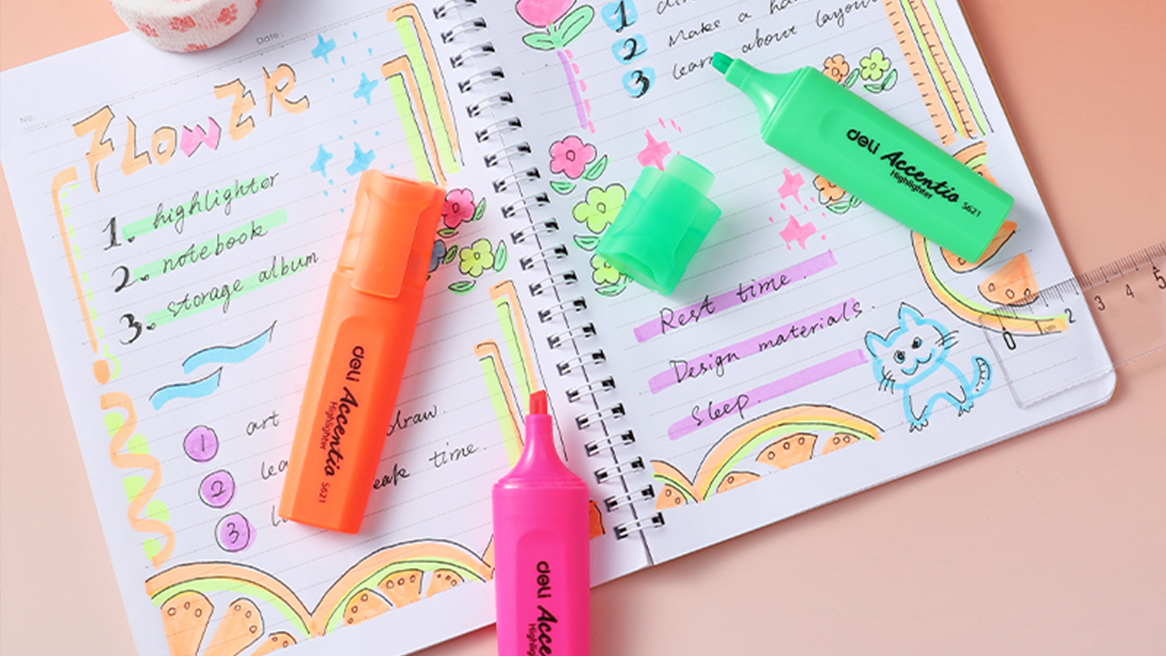
When your tools feel good in your hands, creativity flows naturally.
Handwriting is powerful for people of all ages, but it is especially valuable for:
Students
Brainstorming essays and projects
Taking meaningful notes
Mapping complex concepts
Enhancing memory retention
Creative professionals
Designers & illustrators
Writers & poets
Architects & engineers
Content creators & marketers
Teachers & educators
Lesson planning
Visual teaching materials
Idea organization
Student engagement activities
Entrepreneurs
Business planning
Idea mapping
Brand development
Problem-solving
No matter your profession, if you rely on ideas, innovation, and strategic thinking — handwriting is your secret advantage.
If you want to enhance your creativity, try this daily 15-minute ritual:
Choose a quiet space
Take a notebook and a smooth gel pen
Write freely for 5 minutes (no rules)
Add simple doodles or sketches
Use a colored pen to highlight ideas
Circle the most exciting thoughts
Expand one idea into a mini sketch or outline
Doing this just once a day can significantly improve creative thinking, mental clarity, and idea generation over time.
Digital technology is powerful — but handwriting is irreplaceable.
Writing by hand is not just a habit from the past. It is a scientifically supported, creativity-enhancing practice that connects the mind, body, and imagination. When combined with quality writing tools and thoughtful practice, handwriting becomes one of the most effective creative techniques available.
So next time you feel stuck, step away from your screen. Pick up a pen. Let the ink move with your thoughts.
Your best ideas might already be waiting — on a blank page.